Treatment for Peripheral Neuropathy
There is no single treatment for neuropathy - because neuropathy is not a single disease. Effective management begins with identifying and reversing the underlying cause, then layering symptom management and rehabilitation as needed.
Treat the Cause First
Many neuropathies are partially or fully reversible when the underlying cause is addressed promptly. Diabetic neuropathy progression can be halted with tight glycemic control. B12 deficiency neuropathy can improve significantly with supplementation. Alcohol-related neuropathy stabilizes and often improves with abstinence. Toxic and medication-induced neuropathy frequently resolves after the offending agent is removed.
Jumping to symptom management without addressing the cause leads to progressive damage and treatment resistance. The cause-first approach is not just philosophically correct - it is the most evidence-based strategy for long-term outcomes.
Pharmacotherapy
Medication Tiers
Neuropathic pain does not respond to standard analgesics like ibuprofen or acetaminophen. Specialized agents are required. Treatment is tiered - start with the most evidence-backed, best-tolerated options and escalate based on response.
Investigational & Advanced Therapies
Research / specialist-only
Scrambler Therapy (Calmare)
Non-invasive electrical stimulation that "rescrambles" pain signals at the skin surface. FDA-cleared for chronic pain; promising trial data for chemotherapy-induced neuropathy. Not widely covered by insurance.
FDA-Cleared DeviceGene Therapy (ST-503 / VM202)
Intramuscular hepatocyte growth factor gene delivery in Phase 3 trials for diabetic peripheral neuropathy. Aims to regenerate damaged nerve fibers rather than mask symptoms.
Phase 3 TrialNerve Growth Factor Mimetics
NGF pathway modulators designed to promote axonal regeneration. Early-phase trials showing nerve fiber density improvements on skin biopsy in SFN patients.
Early Phase TrialsWhen First-Line is Insufficient or Not Tolerated
Topical agents & combination therapy
5% patch or gel applied directly to painful skin. Minimal systemic absorption - ideal for localized allodynia. Approved for postherpetic neuralgia; commonly used off-label for focal neuropathy.
FDA-Approved (PHN)High-concentration capsaicin (Qutenza) applied in clinic for 30-60 minutes, reducing pain for 3-6 months by depleting substance P from nerve terminals. Requires pre-medication for application pain.
FDA-Approved (PHN, HIV-SN)Low-dose gabapentin combined with nortriptyline produces significantly greater pain relief than either alone (Gilron et al., NEJM). Allows lower doses of each drug, reducing individual side effects.
Off-Label CombinationStart Here - Strongest Evidence, Best Studied
AAN & EFNS Guidelines
Reduces calcium channel activity in dorsal horn neurons, dampening pain signal transmission. Typical effective dose: 1,800-3,600 mg/day in divided doses. Titrate slowly to minimize sedation and dizziness.
Off-Label (DPN) - FDA-approved for PHN onlySame mechanism as gabapentin with more predictable absorption kinetics. 150-600 mg/day. The only medication FDA-approved for both diabetic neuropathic pain AND fibromyalgia. Schedule V controlled substance.
FDA-Approved (DPN, PHN, FM)Inhibits reuptake of serotonin and norepinephrine, activating descending inhibitory pain pathways. 60-120 mg/day. First choice when comorbid depression or anxiety is present. Gradual taper required to discontinue.
FDA-Approved (DPN, Fibromyalgia)Gold standard for decades; used at sub-antidepressant doses (10-75 mg at bedtime). Effective but cautious use in elderly due to anticholinergic effects (falls, urinary retention, dry mouth, cardiac risk). Low cost.
Off-Label (DPN) - Broad evidence baseNon-Pharmacologic
Physical Therapy & Exercise
Exercise is one of the most evidence-backed non-drug interventions for peripheral neuropathy. A 2019 meta-analysis in The Lancet Neurology found aerobic exercise significantly reduced pain scores and improved nerve fiber density on skin biopsy in diabetic neuropathy patients.
Balance & Proprioception Training
Single-leg stance, tandem walking, and foam pad exercises rebuild proprioceptive signaling and significantly reduce fall risk - the most dangerous consequence of sensory neuropathy.
Aerobic Exercise
30 minutes of moderate walking or cycling 5 days per week improves microcirculation to peripheral nerves, reduces systemic inflammation, and has been shown to increase intraepidermal nerve fiber density in diabetic neuropathy over 10 weeks.
Strengthening for Foot Drop
Anterior tibialis and peroneal strengthening combined with AFO (ankle-foot orthosis) fitting compensates for motor weakness. Early intervention prevents compensatory gait patterns that cause secondary hip and back injury.
Stretching & Flexibility
Calf stretching and plantar fascia work reduce the mechanical stress on already compromised sensory nerves in the foot. Yoga and tai chi show meaningful balance improvement in multiple RCTs for peripheral neuropathy patients.
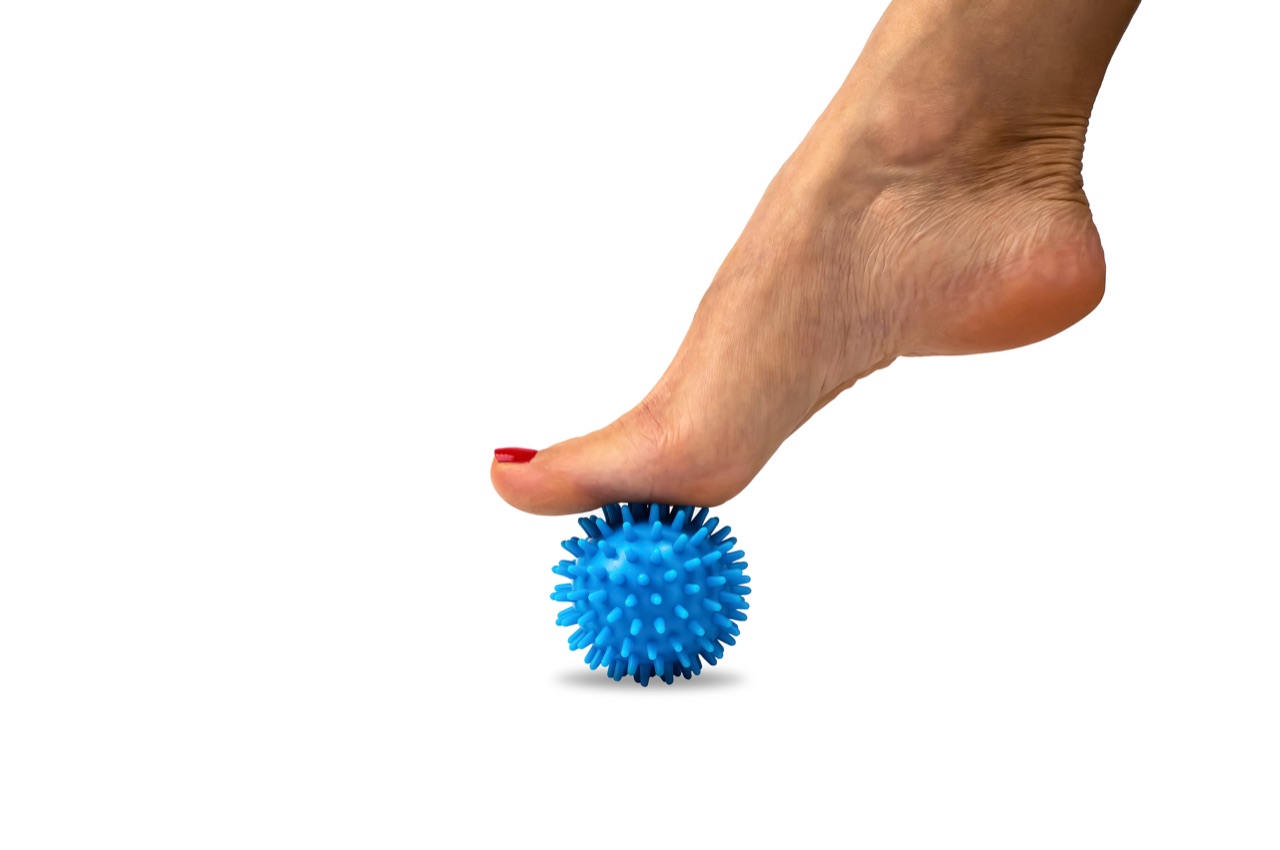
Integrative Medicine
Complementary Approaches
Several non-pharmaceutical approaches have clinical trial evidence for neuropathic pain. None replace first-line treatment but may meaningfully add to overall pain control.
Acupuncture
Multiple RCTs show statistically significant pain reduction in diabetic peripheral neuropathy versus sham acupuncture. Cochrane review (2017) found moderate evidence. Best studied for chemotherapy-induced neuropathy.
Moderate EvidenceTENS (Transcutaneous Electrical Nerve Stimulation)
Portable device delivers low-level electrical current to the skin, activating gate control mechanisms that reduce pain perception. Useful for localized foot and leg pain. Best results with regular daily use of 30-60 minutes.
Moderate EvidenceAlpha-Lipoic Acid (ALA)
Potent antioxidant with 4+ RCTs showing reduced neuropathic symptoms at 600 mg/day IV (approved in Germany for DPN) and oral formulations. Likely works by reducing oxidative stress in Schwann cells and neurons. Well-tolerated at standard doses.
Strong for IV ALA (DPN)Acetyl-L-Carnitine (ALCAR)
Facilitates mitochondrial fatty acid metabolism in neurons; shown in trials to reduce pain and improve nerve fiber regeneration in diabetic and HIV neuropathy. 1,000 mg three times daily studied. Note: plain L-carnitine (not acetyl form) has less evidence.
Moderate EvidenceLow-Level Laser Therapy (LLLT)
Near-infrared light applied to the feet stimulates mitochondrial function and may enhance axonal repair. Multiple small trials show improvement in vibration thresholds and pain scores in DPN. Not covered by most insurers; limited availability.
Limited / EmergingMindfulness-Based Stress Reduction
8-week MBSR programs show meaningful reductions in pain catastrophizing and perceived pain intensity in chronic neuropathic pain patients. Does not reduce nerve damage but significantly improves quality of life and reduces opioid use.
Strong for QoLWhen to See a Pain Specialist
Most peripheral neuropathy patients are managed by their primary care physician or neurologist. But a subset of patients require input from a dedicated pain medicine specialist - particularly those with refractory neuropathic pain that has not responded to two or more first-line agents at adequate doses and duration.
Pain specialists can perform interventional procedures (spinal cord stimulation, sympathetic nerve blocks), manage complex opioid considerations, and coordinate multidisciplinary pain programs that integrate psychology, PT, and pharmacology simultaneously.
Consider Referral When...
Our Picks
Tools for Daily Management
Neuropathy management extends beyond the clinic. These are the product categories most consistently recommended by neurologists and podiatrists for at-home care.
Foot Care
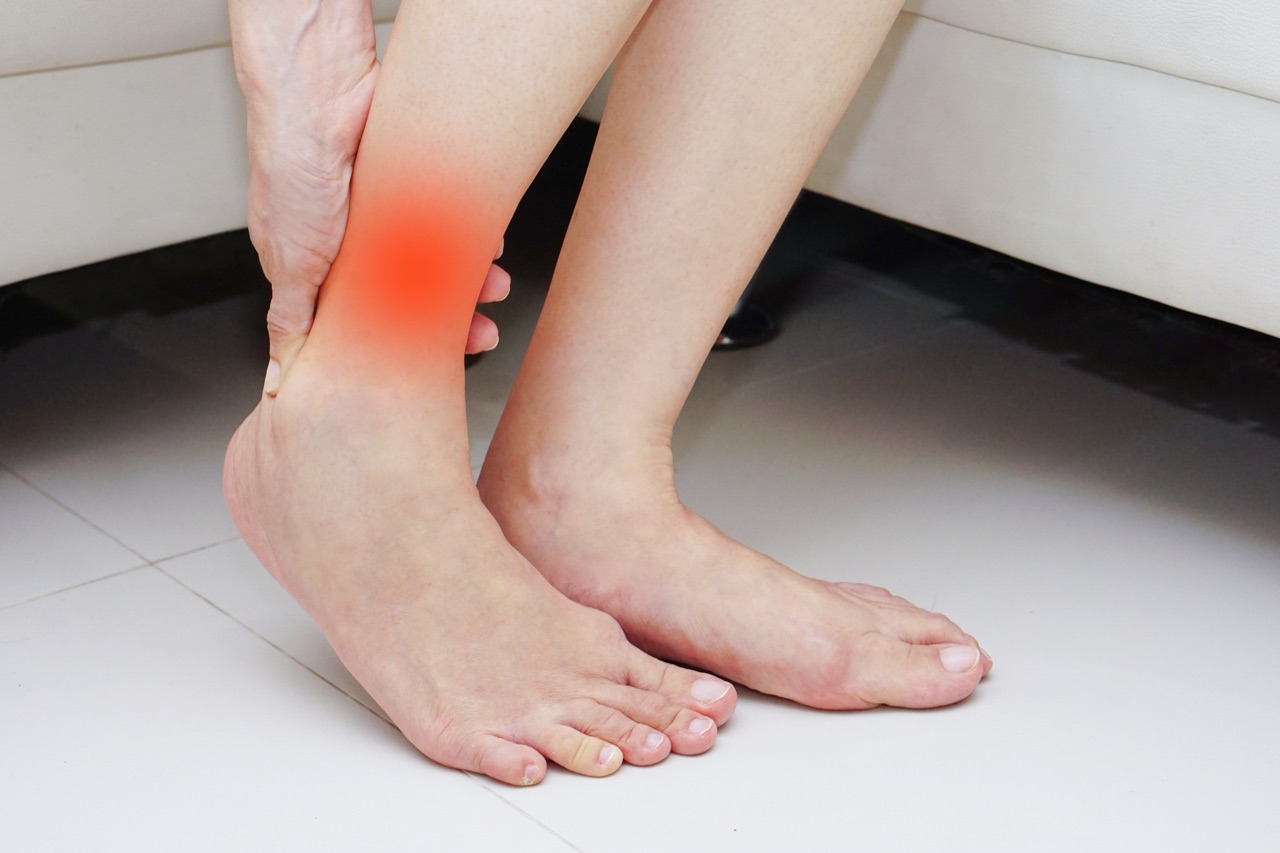
Graduated Compression Socks
Medical-grade compression (15-20 mmHg) improves venous return, reduces leg swelling that compresses peripheral nerves, and provides the proprioceptive feedback that numb feet can't generate on their own. Seamless construction is essential to avoid pressure points in patients with reduced protective sensation.
Pain Relief
Home TENS Units
Consumer-grade TENS devices now approach clinical-grade performance at a fraction of the cost. Preset neuropathy programs (typically 2-100 Hz, 200-250 µs pulse width) provide the most consistent results. Look for units with adjustable intensity, rechargeable batteries, and multiple channel outputs for bilateral foot treatment.
Daily Care
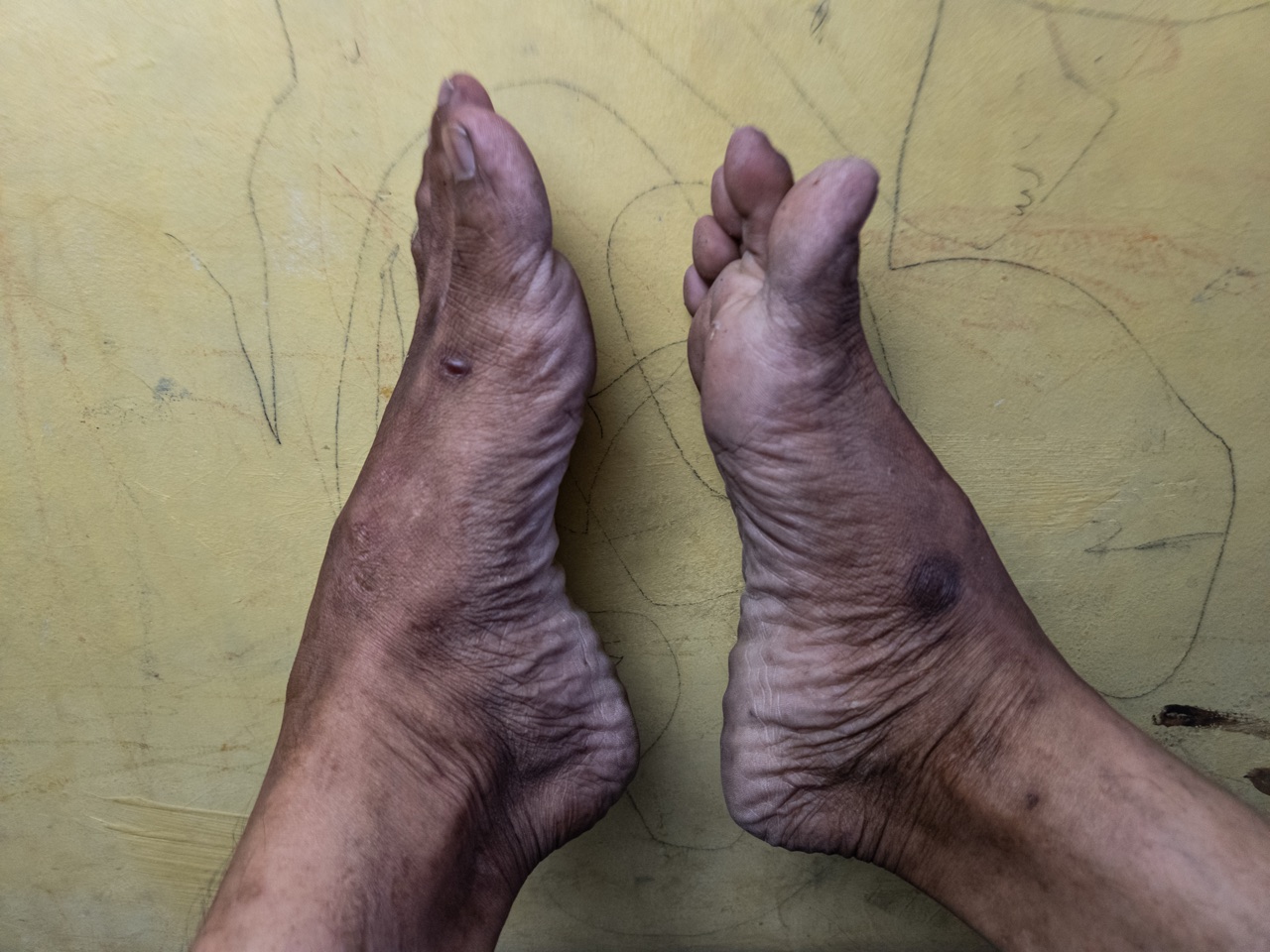
Foot Inspection & Skin Care
Patients with reduced protective sensation must inspect their feet daily - because they may not feel an injury occurring. A long-handled inspection mirror, urea-based moisturizing cream (not between toes), and a silicone toe separator to prevent pressure ulcers form the foundation of diabetic foot care that every neuropathy patient should follow.
Product recommendations are editorial in nature and based on clinical literature. Neuropathy.ai does not sell products and receives no compensation for mentions. Always consult your physician before adding new interventions to your care plan.